


-

Add: HeBei ShengShi HongBang Cellulose Technology CO.,LTD.
-

Email
13180486930@163.com -

CONTACT US
+86 13180486930


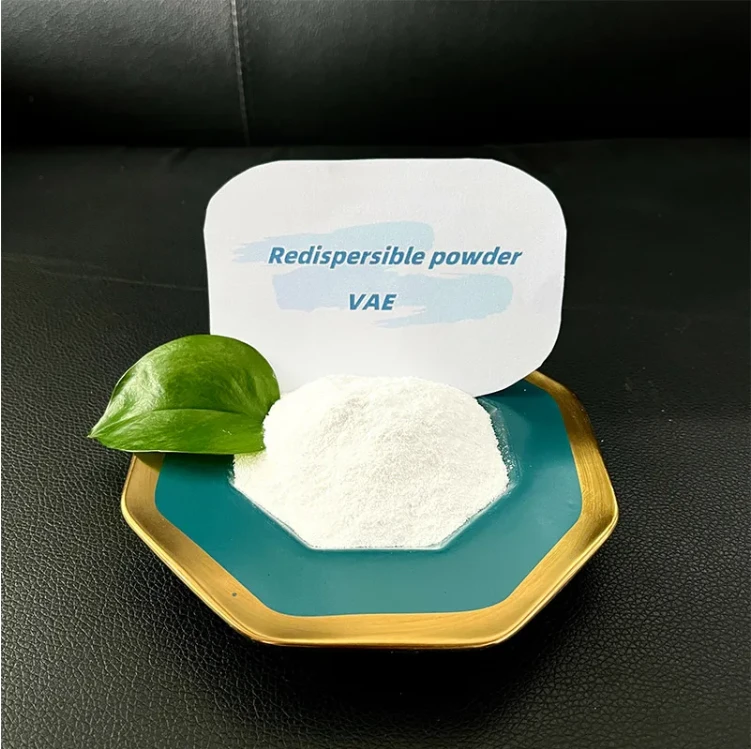

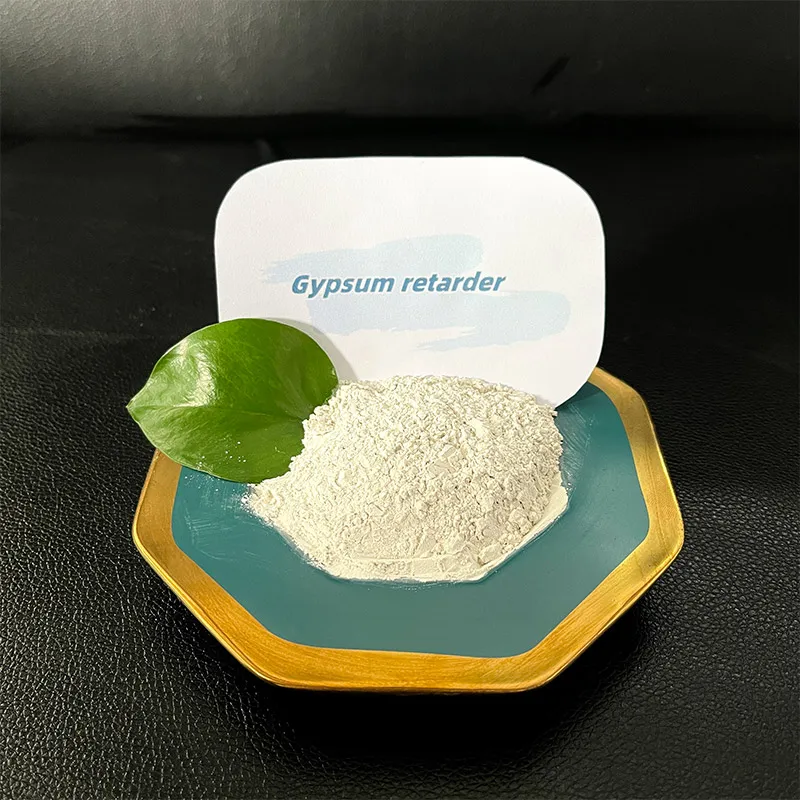


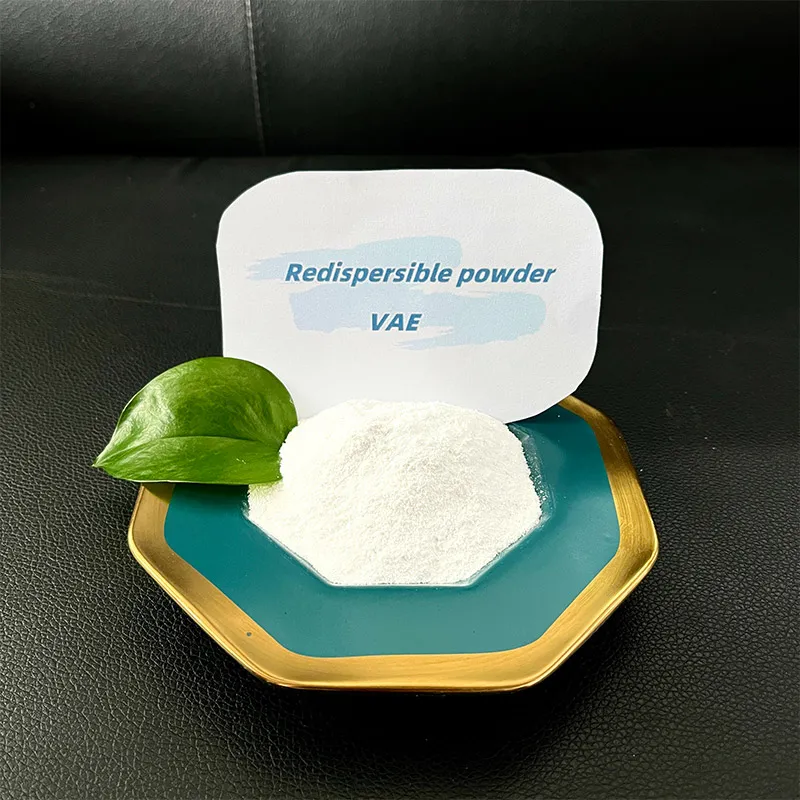
In the urgent pursuit of greener building practices, redispersible polymer powder (RPP) emerges as a transformative additive, redefining the environmental footprint of modern construction materials. Produced through energy-efficient spray-drying of polymer emulsions—typically polyvinyl acetate powder or acrylic copolymers—these powders form protective, dust-free particles that reactivate instantly upon water contact. Unlike solvent-based alternatives, RPP eliminates volatile organic compound (VOC) emissions while enhancing mortar performance, bridging the gap between ecological responsibility and structural excellence. Its integration into cementitious systems reduces raw material consumption, minimizes waste, and extends building lifespans, positioning it as a cornerstone of circular construction economies.This article may help you understand the relevant content. Redispersible Polymer Powder : The Engine of Low-Carbon Mortars Redispersible polymer powder acts as a molecular glue within dry-mix formulations. When water is added, the powder redisperses into a cohesive film that binds cement particles and aggregates, dramatically improving adhesion, flexibility, and water resistance. Crucially, its production via spray-drying consumes less energy than liquid polymer emulsions due to eliminated transportation weight and refrigeration needs. Leading eco-formulations incorporate recycled polyvinyl acetate powder from post-industrial PVA waste, reducing virgin plastic demand. In tile adhesives, just r edispersible polymer powder content replaces 15% cement volume, slashing carbon emissions per ton of mortar. Furthermore, r edispersible polymer powder -modified mortars exhibit less shrinkage, preventing cracks that compromise thermal insulation—effectively lowering building energy loads over decades of use. Polyvinyl Acetate Powder : The Biodegradable Backbone Polyvinyl acetate powder (PVA-P), a dominant r edispersible polymer powder variant, offers unique sustainability advantages. Derived from acetic acid and ethylene—increasingly sourced from bio-based feedstocks—it demonstrates partial biodegradability in landfill conditions, unlike purely synthetic polymers. When used in plasters or renders, PVA-P’s polar molecular structure enhances hydrogen bonding with cellulose fibers (for example: recycled paper waste), creating lightweight composites with 40% lower embodied carbon than traditional gypsum boards. Its alkali resistance prevents degradation in cement matrices, ensuring long-term durability. Innovations like "self-deactivating" PVA-P break down photolytically after demolition, addressing microplastic concerns. Case studies show PVA-P-based exterior insulation finishing systems maintaining R-values 30% longer than conventional systems due to reduced crack-induced thermal bridging. Polymer Powder Innovations: Closing the Resource Loop Advanced polymer powder technologies now prioritize cradle-to-cradle design. Pioneering manufacturers utilize industrial carbon dioxide emissions during polymerization, sequestering carbon within the powder itself. Post-consumer construction waste is milled into "reactive filler powders" that hybridize with r edispersible polymer powder , creating mortars with 50% recycled content without sacrificing compressive strength. For moisture-sensitive applications (example:wood-wool acoustic panels), hydrophobic polymer powder variants incorporate silane modifiers, eliminating toxic waterproofing coatings. In prefabrication, RPP-enabled rapid-setting mortars cut energy-intensive curing, while powder flow additives like rice husk ash prevent clumping—replacing synthetic silica. Third-party certifications validate these closed-loop systems, with some RPPs achieving negative carbon footprints via verified carbon credits. As the dominant base polymer in RPP systems, polyvinyl acetate powder offers unparalleled ecological advantages. Its synthesis from acetic acid and ethylene creates inherently low-toxicity chains, unlike acrylics requiring styrene or butadiene. When plasticized with bio-based agents like acetyl tributyl citrate, polyvinyl acetate powder delivers flexibility comparable to petrochemical alternatives with 70% lower ecotoxicity. In tile adhesives, PVAc-based RPP enables thinner applications – reducing material consumption while maintaining superior shear strength. Recent breakthroughs include PVAc powders grafted with cellulose nanofibers, boosting bond strength while using less cement. FAQs about Demystifying redispersible polymer powder Sustainability Does redispersible polymer powder compromise mortar strength? No. R edispersible polymer powder enhances tensile strength and flexural strength while reducing brittleness. It allows cement reduction without performance loss, directly lowering carbon intensity per square meter of construction. Can polyvinyl acetate powder withstand prolonged UV exposure? Unmodified PVA-P degrades under UV; however, most construction-grade powders integrate UV-stabilizing nano-titania or zinc oxide during spray-drying. Is polymer powder recyclable after demolition? Yes. Advanced sorting technologies separate RPP-mortar debris for reuse. Crushed material serves as reactive aggregate in new mixes, while extracted polymer chains are re-powdered via solvent-free mechanochemical processes. How does redispersible polymer powder reduce water consumption? By improving workability and cohesion, redispersible polymer powder cuts mix water requirements by 15–20%. Its hydrophobic properties also decrease curing frequency, saving thousands of liters on large sites. Are bio-based polymer powders commercially viable? Absolutely. Leading suppliers offer redispersible polymer powder from bio-acetic acid and ethylene. Though currently 10–15% costlier, lifecycle analyses confirm 50% lower ecosystem toxicity versus petroleum-based powders. Redispersible polymer powder transcends its role as a performance enhancer, emerging as an ecological imperative in construction chemistry. By merging the functional excellence of polyvinyl acetate powder with radical resource efficiency, it enables mortars that build resilient structures while healing planetary systems. For architects and builders, adopting these powders is no longer optional; it’s the foundation of building a world that endures. If you are engaged in the relevant industry, you can seriously consider our company. There is no time to lose. Don't let bad materials hold you back from your work.
- 40000tons

Production
- 20+years

Experience
- 5000+㎡

Acreage

-

Hydroxypropyl methylcellulose (HPMC) is a versatile polymer widely used in the pharmaceutical, food, and construction industries. One of the significant properties influencing its application is its solubility, particularly in organic solvents. Understanding its solubility characteristics is crucial for optimizing formulations and ensuring product efficacy. The solubility of HPMC in various organic solvents primarily hinges on its molecular structure and the functional groups present. Generally, HPMC is known for its solubility in polar solvents, but its behavior in organic solvents can be more complex. Solvation largely depends on the degree of substitution and the distribution of methoxyl and hydroxypropyl groups along the cellulose backbone. In practice, HPMC demonstrates limited solubility in most pure organic solvents . However, certain solvents, particularly those with polar characteristics, can dissolve HPMC to varying extents. For instance, it shows partial solubility in ethanol and isopropanol. These solvents can disrupt intra-molecular hydrogen bonds in HPMC, facilitating its dispersion. Real-world experimentation reveals that creating solvent mixtures can enhance HPMC solubility. Blending polar organic solvents with water can significantly improve the dissolution process. An ethanol-water mixture, for example, often produces optimal solubility, making this combination a popular choice in formulating pharmaceuticals where HPMC is used as a binder or film-former. hpmc solubility in organic solvents Understanding the mechanics behind this solubility behavior is crucial for professionals aiming to leverage HPMC in innovative ways. The interplay of solvent polarity, temperature, and HPMC's molecular configuration must be considered to optimize formulations. This knowledge not only aids in selecting suitable solvents but also in anticipating potential challenges in industrial applications. From a professional and authoritative standpoint, it is essential to verify these insights through rigorous testing and consulting technical datasheets provided by HPMC manufacturers. These sources ensure the reliability of the information and the safety of the resulting products. Trustworthiness is further established by adhering to industry standards and guidelines, ensuring that any application of HPMC in organic solvent systems is both effective and compliant with regulatory requirements. For product developers, the scope for innovation with HPMC and organic solvents is vast. By methodically exploring the solubility parameters and adjusting formulation strategies, developers can harness the unique properties of HPMC to create robust and efficient products. Whether in pharmaceuticals, where precise release mechanisms are critical, or in construction, where durability and consistency are key, understanding and manipulating HPMC’s solubility in organic solvents is a gateway to enhanced performance and customer satisfaction. In conclusion, optimizing HPMC solubility in organic solvents requires a combination of scientific understanding, practical experimentation, and adherence to authoritative guidance. Leveraging these aspects ensures that HPMC can be effectively used to meet the demanding needs of modern industry applications.
-
Kizuia Jasi Embracing Resilience and Strength In a world fraught with challenges, the concept of Kizuia Jasi emerges as a beacon of hope and resilience. This phrase, derived from theoretical notions in philosophical literature, embodies the essence of overcoming adversity and thriving despite life's uncertainties. Kizuia Jasi can be interpreted as a symbolic journey through pain and healing. It suggests that every scar we carry tells a story— a narrative of struggle, growth, and ultimately, transformation. Each experience of hardship shapes us, offering lessons that fortify our spirit and illuminate the path towards self-discovery. Kizuia Jasi Embracing Resilience and Strength Cultural narratives across the globe highlight the importance of resilience, and Kizuia Jasi aligns closely with these traditions. In many cultures, stories of heroes overcoming adversity serve as metaphors for human tenacity. From ancient mythologies to modern literature, the motif of the underdog triumphing against all odds inspires individuals to confront their fears and stand tall in the face of adversity. These narratives not only entertain but also instill a sense of possibility, reminding us that resilience is a universal human trait. kizuia jasi Moreover, Kizuia Jasi encourages introspection and self-awareness. Understanding our pain allows us to navigate the complexities of our emotions, transforming them into sources of strength. Journaling, therapy, and open dialogues about mental health can facilitate this understanding. By processing our experiences—whether they involve loss, failure, or personal setbacks—we create space for healing. This healing is not linear; rather, it comes in waves, ebbing and flowing as we traverse the landscape of our emotions. In embracing Kizuia Jasi, we also cultivate empathy towards others. Recognizing that everyone bears their own scars fosters compassion and connection. By sharing our stories of resilience, we create a community built on mutual understanding and support. In a society that often celebrates success without acknowledging the struggle behind it, Kizuia Jasi invites us to honor both the triumphs and the trials. As we navigate an increasingly complex world, the principles embodied in Kizuia Jasi remind us that resilience is empowered through community and shared experience. In moments of darkness, it is the bonds we forge with others that illuminate our path forward. We learn, we support, and we rise together. In conclusion, Kizuia Jasi serves as a powerful reminder that within each of us lies the capacity to weather storms and emerge stronger than before. It encourages us to embrace our scars, recognizing them as symbols of our journeys rather than marks of defeat. As we navigate the complexities of our lives, may we carry the spirit of Kizuia Jasi in our hearts— a testament to our resilience, our strength, and our unyielding capacity to rise above adversity. Through this embrace, we allow ourselves not only to survive but to flourish in the face of challenges, turning our pain into powerful narratives of hope and transformation.
advantages
-

200000 Viscosities
Excellent product
We can produce pure products up to 200,000 viscosities
-

40000 tons
High yield
We don’t stop production all year round, and the annual output can reach 40,000 tons
-

24 hours
Quality service
We provide 24-hours online reception service, welcome to consult at any time
———— Inquiry Form
Schedule A services

-
 uses_of_hpmc
Oct . 25, 2025
Hydroxypropyl Methylcellulose (HPMC) is a versatile compound with extensive applications across vari -
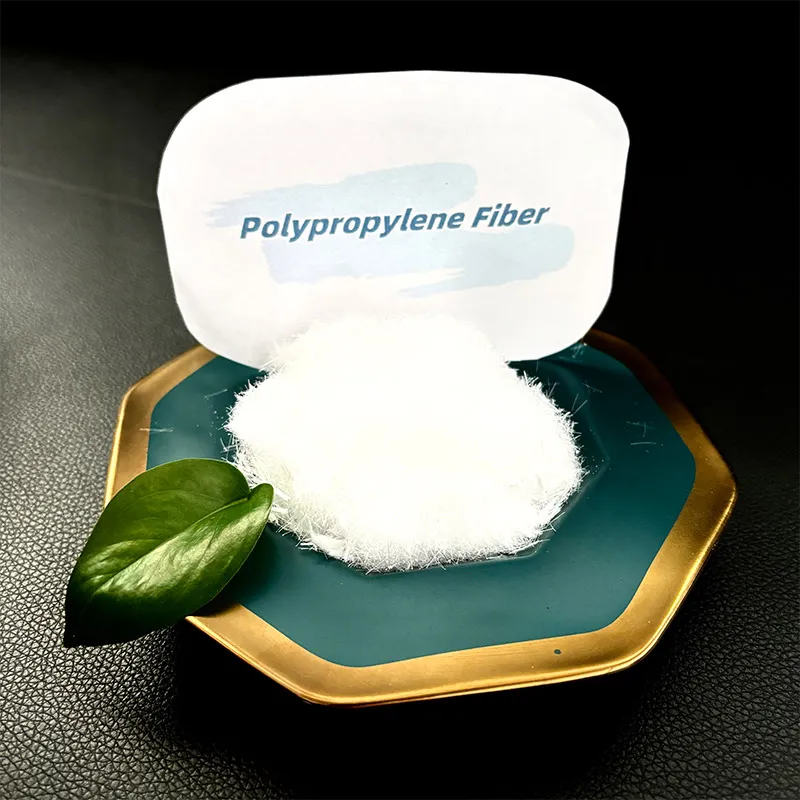 polypropylene_fiber_market
Oct . 25, 2025
When we think of modified starch , it’s often associated with food and textiles, but its application -
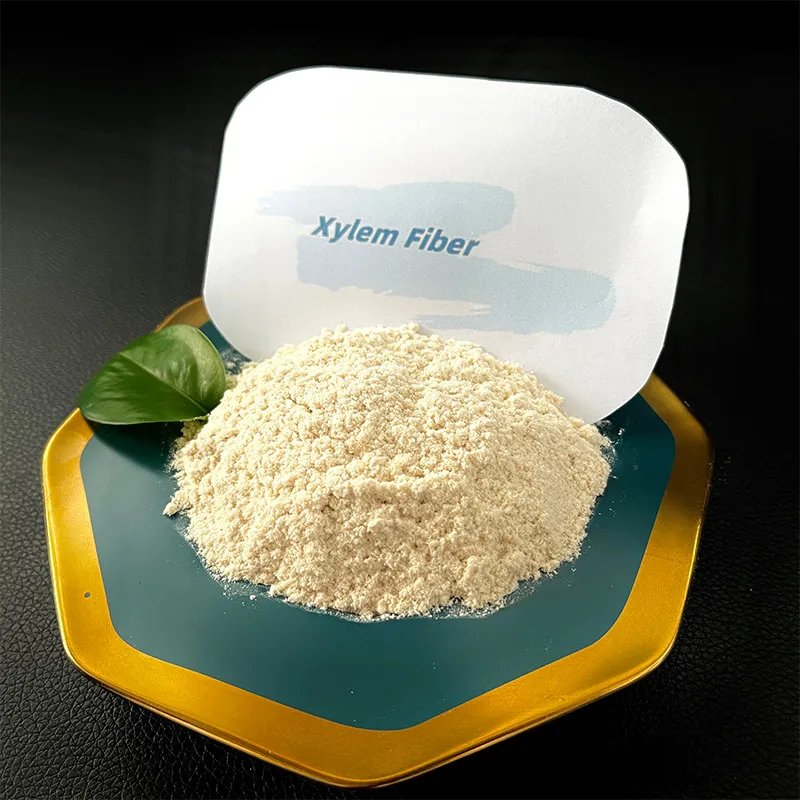 prix_de_la_poudre_de_polymere_redispersable
Oct . 25, 2025
Hydroxypropyl methylcellulose (HPMC) stands as a versatile compound widely utilized across numerous


